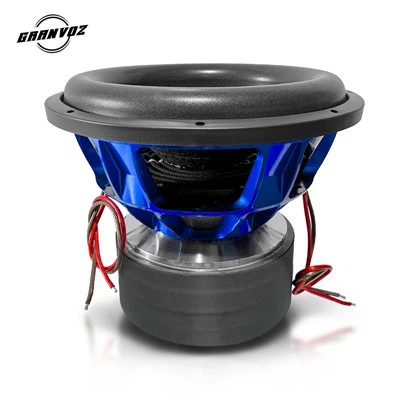
1. Reasons that cause subwoofers to smoke
(I) Power-related reasons
Overpowering
Overload occurs when the amplifier sends too much power to the subwoofer, such as using an amplifier with too much power or turning the volume too high, which will cause the subwoofer components to bear too much power and generate too much heat, which may eventually cause smoking. This is a common reason. For example, in some audio systems, this problem is prone to occur if the power is not matched.
Impedance Mismatch
Impedance mismatch between the subwoofer and the amplifier may also cause problems. If the impedance values of the two are very different, it will cause abnormal current, which will cause the subwoofer components to overheat and smoke. For example, when connecting devices of different brands or models, this may happen without paying attention to the impedance requirements1.
(II) Component failure
Damaged Voice Coil
The voice coil is a key component that converts electrical signals into mechanical vibrations to produce sound. When the voice coil is damaged, the subwoofer cannot work properly and may generate too much heat during use, causing smoke. This is one of the more common reasons for subwoofers to smoke.
Internal Circuitry Failure
A fault in the subwoofer's internal circuit, such as loose solder joints, damaged capacitors or resistors, may cause abnormal current flow, which in turn may cause components to overheat and smoke. This may be caused by long-term use, manufacturing process defects, or external impact.
(III) Improper use environment and operation
Heat dissipation problem (Overheating due to Poor Ventilation)
Improper placement: If the subwoofer is placed in a location that is not conducive to heat dissipation, such as being placed in a closed and narrow space, or surrounded by debris that blocks air circulation, the heat cannot be effectively dissipated, resulting in excessive component temperature and smoke. For example, in some home theater arrangements, this situation is likely to occur if the subwoofer is stuffed into a cabinet without sufficient ventilation space.
Prolonged high volume use: Playing music or other audio content at high volume for a long time will cause the subwoofer to continue to work at a high load, generate a lot of heat, and increase the risk of smoking. For example, in some parties or long music playback scenarios, if you do not pay attention to controlling the volume and usage time, problems may occur.
Using Subwoofers with Damaged Components or Inferior Quality Material
If the subwoofer itself is made of inferior materials or its components are damaged, it is more likely to fail during use, such as smoking. Some low-quality subwoofers may not be able to withstand power or have poor heat dissipation under normal use conditions.
Power Supply Problem (Using the Wrong Power Supply)
Using the wrong power supply, such as voltage mismatch or poor power quality, may bring abnormal current or voltage to the subwoofer circuit, causing component damage and smoking. For example, using subwoofer equipment that is not adapted to local voltage in different regions may cause this danger.
2. Countermeasures
If the subwoofer is found to be smoking, stop using it immediately to avoid causing more serious damage. If it is within the warranty period, you can contact the manufacturer or dealer for repair or replacement. If it is not within the warranty period, for some simple problems, such as heat dissipation problems, you can adjust the placement of the subwoofer to ensure good ventilation; for circuit or component failures, professional maintenance personnel may be required to inspect and repair.